
Learning Outcomes
By the end of this topic, learners will be able to:
Accommodation & Manure Management
- Explain the welfare requirements of livestock housing in the UK.
- Describe effective manure and waste management systems and their role in maintaining animal health and hygiene.
- Identify how poor accommodation and manure management can negatively affect livestock welfare and productivity.
Ventilation in Livestock Housing
- Explain why ventilation is essential for animal health, welfare, and worker safety.
- Describe how moisture, heat, dust, and gases such as ammonia are controlled through effective ventilation.
- Compare natural and mechanical ventilation systems, including how each works and where they are commonly used.
- Apply ventilation principles to real livestock housing scenarios.
Types of Livestock Housing and Equipment
- Identify species-specific housing requirements for cattle, sheep, and pigs.
- Describe common housing systems, including loose housing, cubicles, deep litter systems, and slatted floors.
- Explain the role of key equipment such as feeding systems, drinkers, bedding materials, and waste handling systems.
- Explain how housing layout and equipment design influence animal comfort, behaviour, and ease of management.
The Five Welfare Needs
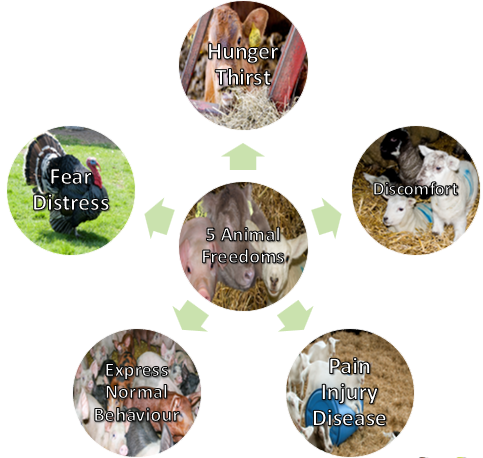
- List the five welfare needs of livestock.
- Explain how housing design helps meet each welfare need, including environment, diet, behaviour, health, and social interaction.
- Apply the five welfare needs to everyday livestock management decisions.
- Assess livestock housing systems for their ability to protect animals from pain, injury, and disease.
Welfare, Behaviour, and Management
- Explain how livestock housing supports normal animal behaviour and social interaction.
- Identify situations where isolation is necessary to maintain welfare and safety.
- Evaluate housing design in terms of welfare standards, biosecurity, and long-term animal health.
Housing Videos
Key Ventilation Principles
- Fresh Air: Remove stale air, moisture, and ammonia to promote health.
- Draught Control: Keep air speed low in winter (e.g., < 0.25 m/s at calf height) to prevent chilling.
- Heat Removal: Increase airflow in summer (e.g., 2.3-4.6 mph for dairy cows) to prevent heat stress.
General Rates & Metrics
- Air Changes Per Hour (ACH): A common measure; 4 ACH is a minimum for some systems (like calf barns).
- Air Speed: Measured in m/s or mph; 0.25 m/s (approx. 50 fpm) for young stock, 2.3-4.6 mph for cooling cows.
- Volume/Weight: Specific rates per animal or per 500 kg liveweight (e.g., cattle around 341 m³/h/500kg in winter).
Key diseases associated with housing include:
Cattle
- Bovine Respiratory Disease (BRD) / Pneumonia: The most significant and costly disease in housed cattle, particularly young stock. It is often caused by a combination of viral (e.g., Bovine Viral Diarrhoea virus (BVD), Infectious Bovine Rhinotracheitis (IBR)) and bacterial pathogens, with environmental stressors like poor ventilation, overcrowding, and temperature fluctuations being major contributing factors.
- Mastitis: An inflammation of the udder caused by bacterial infection, prevalent in dairy cows. Environmental pathogens that thrive in soiled bedding and damp conditions are a primary cause.
- Lameness: A major welfare and productivity issue, often linked to poor housing design, prolonged standing on concrete, and unhygienic conditions leading to infections like digital dermatitis and sole ulcers.
- Calf Scour: Diarrhoea in calves, which can be caused by various pathogens including E. coli, Rotavirus, and Cryptosporidiosis, often exacerbated by poor hygiene and housing conditions.
- Parasites: Internal parasites like liver fluke and gut worms, picked up during grazing, can cause problems during the housing period if not treated. External parasites like lice and mites thrive in warm, close-contact housing conditions.
Sheep
- Ovine Pulmonary Adenocarcinoma (OPA): A viral disease affecting the lungs, associated with poor housing conditions.
- Navel and Uterine Infections: In ewes and lambs, poor hygiene in lambing sheds can lead to infections like mastitis and navel ill.
- Parasites: Similar to cattle, sheep can suffer from issues like sheep scab (mites) and internal worms, which can worsen in housing if not managed.
Pigs
- African Swine Fever (ASF) and Classical Swine Fever (CSF): Highly contagious, notifiable diseases that are a significant concern in the UK, although not typically endemic.
Prevention and Management
Prevention focuses heavily on good management practices, including:
- Excellent Ventilation: To remove moisture, dust, and harmful gases, which helps prevent respiratory diseases.
- Adequate Space: Avoiding overcrowding reduces stress and the spread of pathogens.
- Hygiene: Regular cleaning and fresh bedding are essential to minimise bacterial growth.
- Health Planning: Working with a vet to create a proactive health plan, including appropriate vaccination and parasite control programs before housing, is crucial.
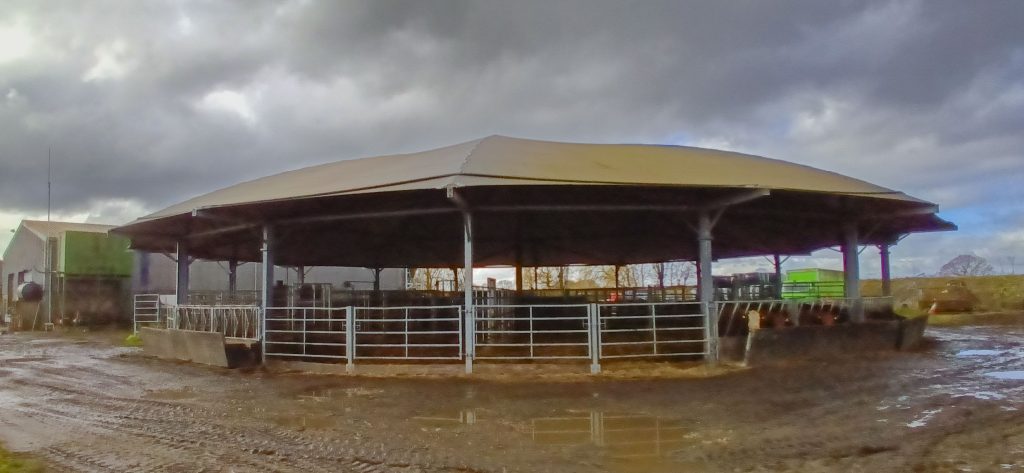
Why House Livestock?
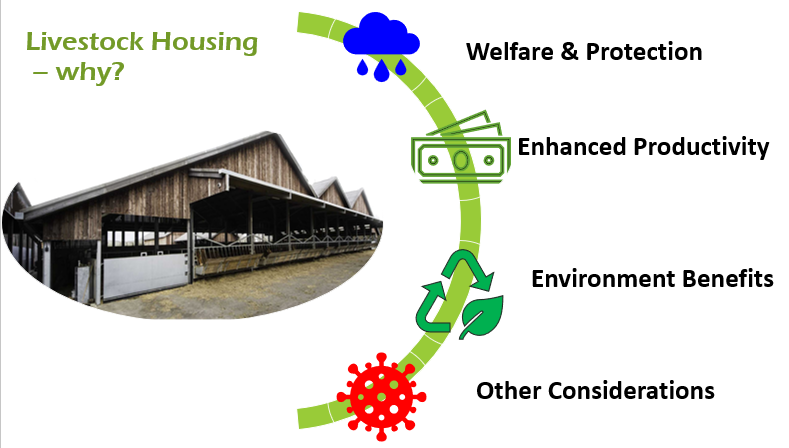
Reasons for housing livestock
- Accommodation & Manure Management :
- Learn about the welfare requirements for livestock housing.
- Understand effective manure management practices to maintain healthy living conditions.
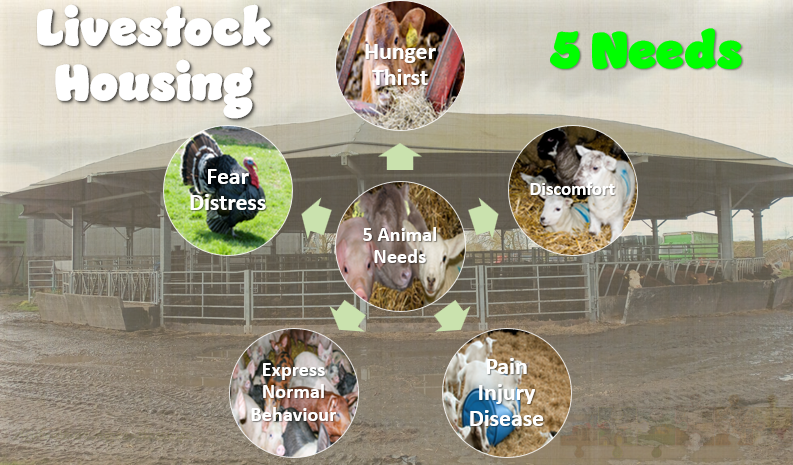
- Five Welfare Needs:
- Familiarize yourself with the five essential welfare needs of animals.
- Apply these needs in everyday management to ensure high standards of animal care.
UK Livestock Housing: A Comprehensive Guide
Livestock housing in the UK isn’t just about putting animals under a roof—it’s about creating a healthy, efficient, and comfortable environment that supports animal welfare and high productivity. In this guide, we explore the theory behind ventilation, various housing types and equipment, and the five essential welfare needs through clear explanations and relatable examples.
Ventilation Theory
1: Why Ventilation Matters
Good ventilation is vital for several reasons:
- Health and Welfare: Fresh air helps remove moisture, dust, and harmful gases such as ammonia, which, if accumulated, can lead to respiratory illnesses.
- Temperature Control: Proper ventilation helps maintain a consistent temperature. This means that in the summer, excess heat is pushed out, and during winter, the fresh air prevents dampness.
- Moisture Management: Animals produce moisture through respiration and waste. Without proper airflow, the buildup of damp air can lead to mold and bacterial growth that might affect both the animals’ and workers’ health.
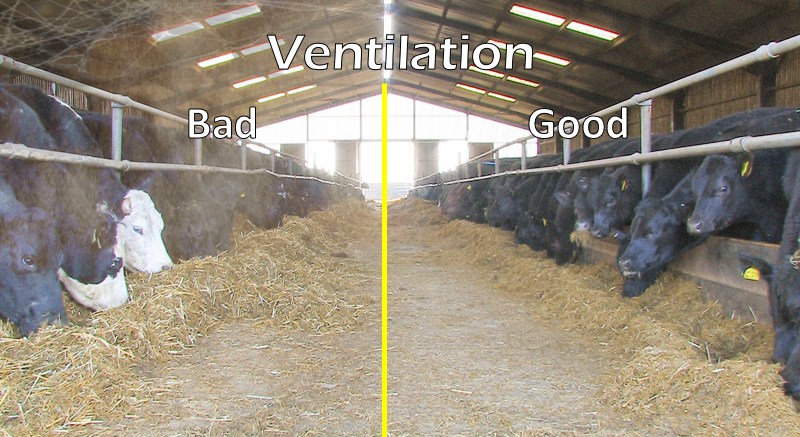
Visual Example:
Imagine a classroom where everyone is talking at once in a stuffy room without any windows open. It’s hard to concentrate and breathe! Now, picture the same room with all the windows open—air flows through, making it much more comfortable. Livestock housing works the same way.
2: How Ventilation Works
There are two major methods for ventilating animal housing:
Natural Ventilation:
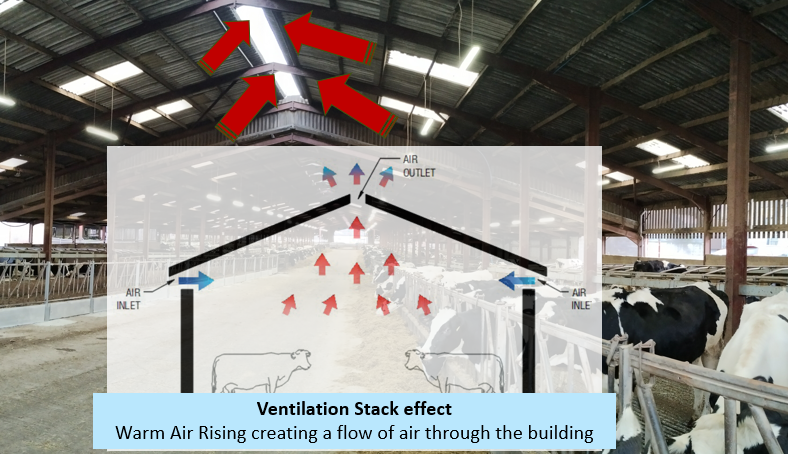
How It Works: Utilizes natural air currents (wind) and the stack effect (where warm air naturally rises) to refresh the air inside the building.
Example: Traditional cattle sheds with open sides and high roofs that let warm air escape at the top while fresh air flows in from below.
Mechanical Ventilation:
How It Works: Uses electric fans to circulate air, providing consistent airflow regardless of the weather.
Example: Modern pig and poultry units where controlled ventilation is crucial for keeping the air quality high and temperature optimal.
Visual Example:
Include a diagram showing cross-sections of both ventilation types. For example, one side-by-side image of a naturally ventilated barn and a mechanically ventilated modern pig unit can help visualize the differences in air movement and airflow control.
Types of Housing and Equipment
1: Species-Specific Designs
Every type of livestock has unique housing requirements:
Cattle:
Design: Commonly housed in loose housing systems or cubicle setups.
Features: Spaces for resting on comfortable bedding like straw, areas for feeding, and well-planned walkways.
Student Example: Picture a large barn where cows have their own “rooms” (cubicles) to lie down, much like bedrooms in a house, ensuring they get enough rest.
Sheep:
Design: Typically housed in simple sheds with deep litter bedding or on raised platforms.
Features: Open space that allows flock movement, plus designated feeding and resting zones.
Student Example: Think of a community center where everyone gathers—it’s open, with plenty of space for the sheep to roam, interact, and find a comfy spot.
Pigs:
Design: Features vary from farrowing crates (for mothers and their piglets) to weaner pens.
Features: Special focus on flooring (slatted or straw-covered) to reduce waste accumulation and improve hygiene.
Student Example: Visualize a mini-farm setting where different pig groups (like piglets and adult pigs) have tailored spaces that meet their growth and health needs.
2: Key Equipment and Layouts
Livestock housing isn’t just about the structure—equipment and layout play a crucial role:
Feed and Water Systems:
Systems Used: Troughs, automatic feeders, and drinkers ensure that animals have constant access to food and water.
Visual Example: Picture a supermarket with clearly marked aisles—each section makes it easy for animals to get what they need without overcrowding.
Bedding and Waste Management:
Materials: Straw, sawdust, and rubber mats provide comfortable resting areas while efficient slurry channels or deep litter systems handle waste.
Visual Example: Think of a neat classroom with organized trash bins and designated areas for cleaning up, ensuring a tidy and healthy environment.
Lighting and Handling Facilities:
Importance: Proper lighting, especially in poultry, and well-designed handling areas such as crushes and raceways are critical.
Visual Example: Imagine a well-lit theatre where every exit is clearly marked. This is similar to a livestock building where optimal lighting helps with effective management and safe animal handling.
The Five Welfare Needs of Livestock
1: Physical Requirements
Proper housing must meet the basic physical needs of the animals, which include:
Suitable Environment:
Details: There must be enough space, adequate shelter, and proper resting areas to suit each species.
Student Example: Think of it like your own room at home—comfortable, well-ventilated, and enough space to study and relax.
Adequate Diet:
Details: The structure should facilitate easy access to clean water and species-appropriate feed.
Student Example: Imagine a snack bar in your school where fresh and nutritious food is always available. In livestock housing, a similar concept ensures that animals are well-fed and hydrated.
Behaviour, Health, and Social Needs
Beyond physical needs, housing must also support natural behaviours and overall well-being:
1. Exhibiting Normal Behaviour:
Importance: Animals must be able to express natural behaviours like grazing, rooting, or socializing.
Example: Consider a playground where kids can run, play, and interact freely. Livestock need similar freedom to avoid boredom and stress.
2. Social Interaction and Isolation When Needed:
Details: While some animals thrive on social interaction, others might need isolation (e.g., sick individuals or aggressive boars) to prevent stress or injury.
Example: Just as classrooms sometimes separate students who need quiet time for concentration, livestock housing provides options for both group interaction and safe isolation.
3. Protection from Pain, Injury, and Disease:
Focus: Good housing design minimizes risks by using easy-to-clean surfaces, regular maintenance, and appropriate space planning.
Example: Think of preventive measures in safety drills—everything is planned out to prevent accidents and keep everyone safe.
Final Thoughts
UK livestock housing is a dynamic field where understanding the principles of ventilation, appropriate building design, and animal welfare needs is essential for success in modern agriculture. By embracing well-planned housing solutions, farmers can ensure their animals live in a safe, healthy, and productive environment—a win for both animal welfare and farm profitability.
Below is presentation which gives more details about “Livestock Housing.”
