
AHDB Knowledge Library
“It is useful to break down the cereal life cycle into various growth stages. By understanding the main crop development stages, it becomes easier to measure crop performance and informs husbandry choices.“
AHDB Knowledge Library Page
Video of Plant Growth Stages

🧠 Apprentice Challenge
Next time you are in a cereal field, ask yourself:
- What GS is this crop at?
- Is the crop even?
- What is limiting yield right now?
- Is disease present?
- What might the next farm operation be?
That is how experienced crop walkers think.
📌 Key Terms
| Term | Meaning |
|---|---|
| Tillering | Production of side shoots |
| Node | Joint in the stem |
| Flag leaf | Final leaf before ear emergence |
| Lodging | Crop falling over |
| Ear emergence | Ear pushing from stem |
| Grain filling | Development of grain size and weight |
🌾 Cereal Growth Stages
Why Growth Stages Matter
If someone on the farm asks:
“What growth stage is that wheat at?”
…they are not just making conversation while leaning on a gate.
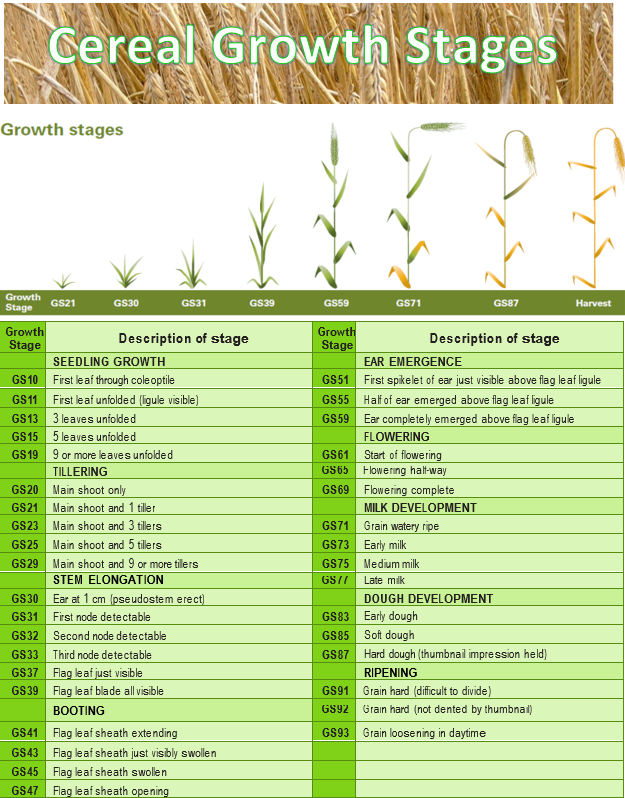
Knowing the growth stage helps farmers decide:
- When to apply fertiliser
- When to spray for weeds, pests, or disease
- Whether the crop is developing properly
- If the crop is under stress
- What yield potential the crop may have
Getting the timing wrong can waste money, damage crops, or reduce yield.
That is why crop walking and growth stage identification are important practical skills for anyone working in arable farming.
🌱 Understanding the GS (Growth Stage) System
Most cereal crops use the Zadoks Growth Scale.
This gives each stage a number:
| Growth Stage | Example |
|---|---|
| GS 10–19 | Seedling growth |
| GS 20–29 | Tillering |
| GS 30–39 | Stem extension |
| GS 40–49 | Booting |
| GS 50–59 | Ear emergence |
| GS 60–69 | Flowering |
| GS 70–89 | Grain filling and ripening |
Common UK cereal crops include:
- Wheat
- Barley
- Oats
- Rye
The stages are similar across cereals, although timing can vary.
🌾 GS 10–19 — Seedling Establishment
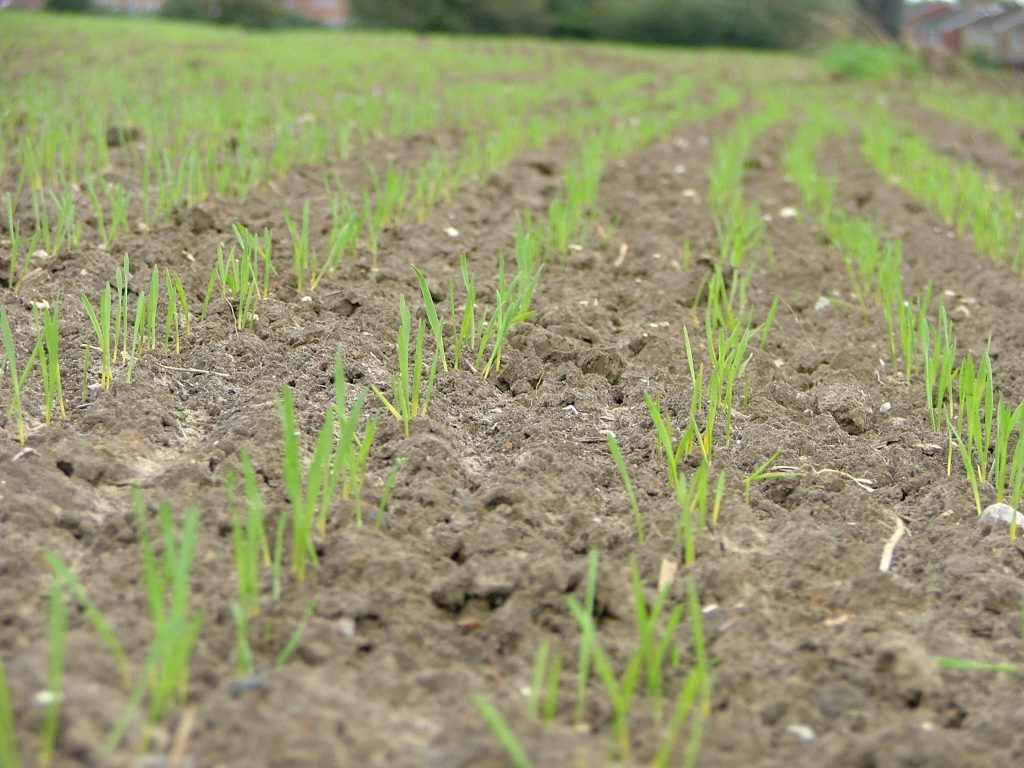
What Happens?
The seed germinates and the first leaves emerge.
The crop is establishing roots and starting photosynthesis.
What to Look For
✅ Even emergence across the field
✅ Healthy green leaves
✅ Strong rooting
✅ Plant population
Common Problems
⚠ Slugs
⚠ Poor seed-to-soil contact
⚠ Waterlogging
⚠ Pigeon damage
⚠ Nutrient deficiencies
Crop Walk Tip
Dig up a few plants.
Do not just look from the tramline. Check:
- Root development
- Plant anchorage
- Soil moisture
- Compaction
Sometimes a field looks fine from the pickup window… until you actually walk into it.
🌿 GS 20–29 — Tillering
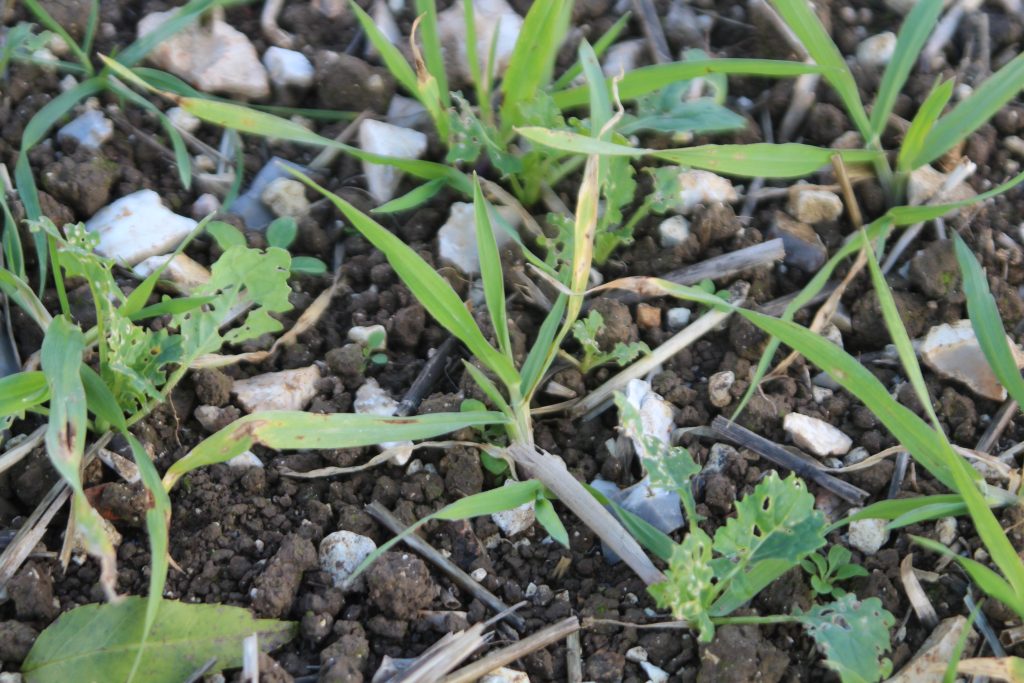
What Happens?
The cereal plant starts producing side shoots called tillers.
Each tiller can potentially produce an ear.
More healthy tillers usually means more yield potential.
What to Look For
✅ Number of tillers
✅ Crop density
✅ Weed competition
✅ Healthy leaf colour
Important Farm Decisions
This stage is important for:
- Nitrogen planning
- Weed control
- Early disease monitoring
Common Problems
⚠ Thin crops
⚠ Yellowing leaves
⚠ Blackgrass competition
⚠ Early mildew or rust
Practical Check
Count plants and tillers in different areas of the field.
Headlands often look very different from the middle of the field.
🌱 GS 30–39 — Stem Extension
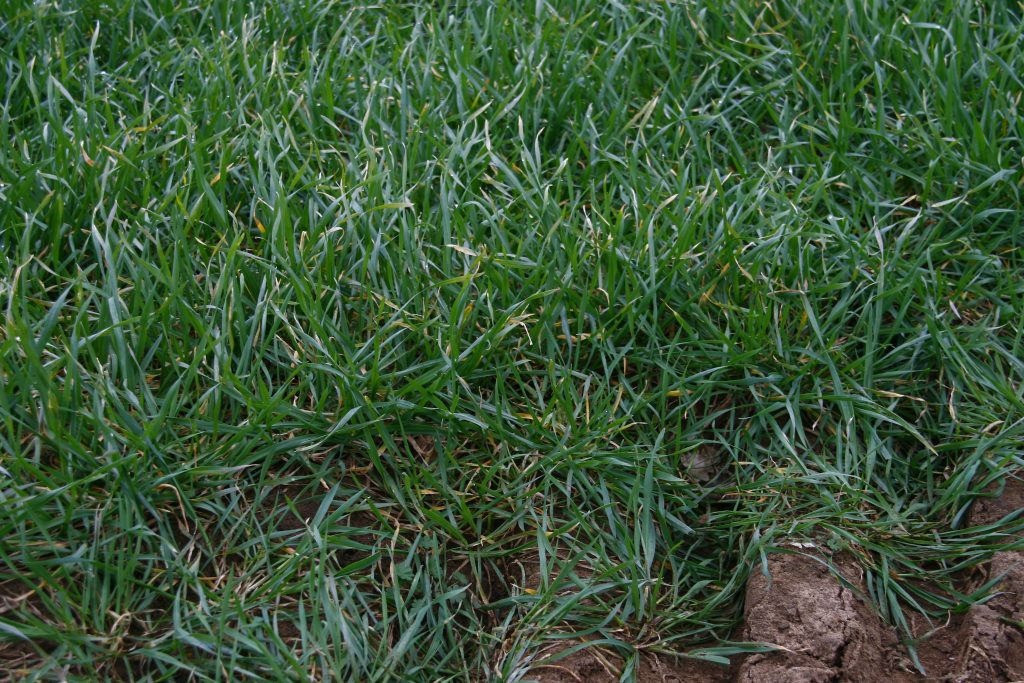
What Happens?
The stem begins to extend upward.
Nodes become visible.
This is a key stage because the crop is rapidly building biomass.
Key Stages
| Growth Stage | Description |
|---|---|
| GS30 | Start of stem extension |
| GS31 | First node detectable |
| GS32 | Second node detectable |
| GS39 | Flag leaf fully emerged |
🌟 The Flag Leaf Matters
The flag leaf is the final leaf produced before the ear emerges.
It contributes a large amount of energy for grain filling.
Protecting the flag leaf is critical.
Farmers often time major fungicide applications around this stage.
What to Look For
✅ Nodes on stem
✅ Flag leaf emergence
✅ Disease levels
✅ Crop height and thickness
Common Problems
⚠ Lodging risk
⚠ Septoria
⚠ Rust diseases
⚠ Nutrient stress
Crop Walk Tip
To identify GS31:
- Split the stem lengthways
- Find the first node at least 1 cm above the base
It takes practice.
Everyone struggles with node detection at first.
🌾 GS 40–49 — Booting
What Happens?
The developing ear swells inside the sheath.
The crop may look very lush and upright.
What to Look For
✅ Swelling flag leaf sheath
✅ Disease levels
✅ Crop standing ability
Common Problems
⚠ Lodging
⚠ Rapid disease spread in damp conditions
Warm wet weather can cause diseases to explode very quickly at this stage.
🌾 GS 50–59 — Ear Emergence
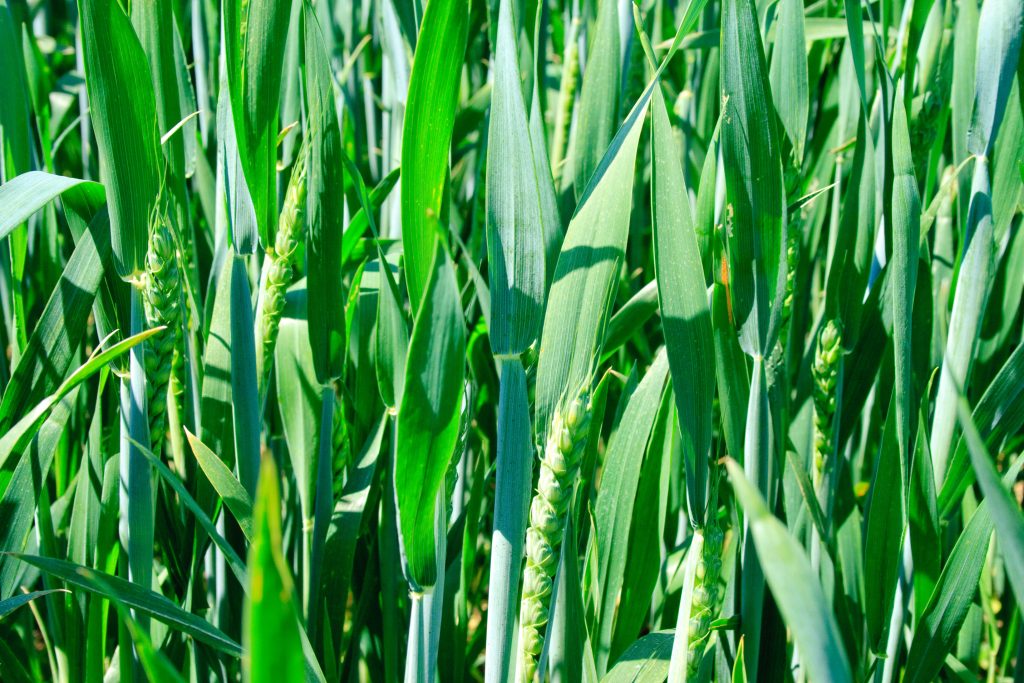
What Happens?
The ear pushes out from the stem.
This is one of the easiest stages to recognise.
What to Look For
✅ Even ear emergence
✅ Disease on upper leaves
✅ Pest damage
Important Decisions
This stage may influence:
- Final fungicide timing
- Micronutrient applications
- Yield expectations
Common Problems
⚠ Uneven crops
⚠ Fusarium risk
⚠ Late rust infection
🌼 GS 60–69 — Flowering
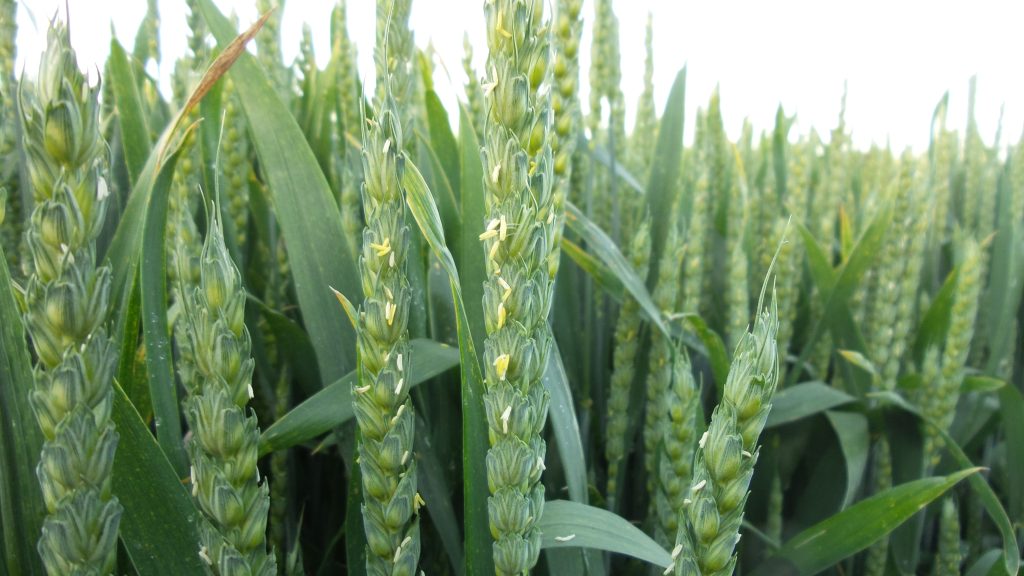
What Happens?
Pollination and fertilisation occur.
This is a sensitive period for grain production.
What to Look For
✅ Flowering progress
✅ Weather conditions
✅ Disease risk
Common Problems
⚠ Wet weather during flowering
⚠ Fusarium infection
⚠ Heat stress
Fusarium can affect both yield and grain quality.
🌾 GS 70–89 — Grain Filling and Ripening
What Happens?
The grain develops and fills with starch.
The crop gradually changes from green to gold.
Ripening Stages
| Stage | Description |
|---|---|
| Milk stage | Grain contents milky |
| Dough stage | Grain thickens |
| Ripening | Crop dries down |
| Harvest ripe | Ready for combining |
What to Look For
✅ Grain development
✅ Crop colour change
✅ Lodging
✅ Harvest readiness
Common Problems
⚠ Lodging before harvest
⚠ Brackling
⚠ Late disease
⚠ Weather damage
🚜 Practical Crop Walking Skills
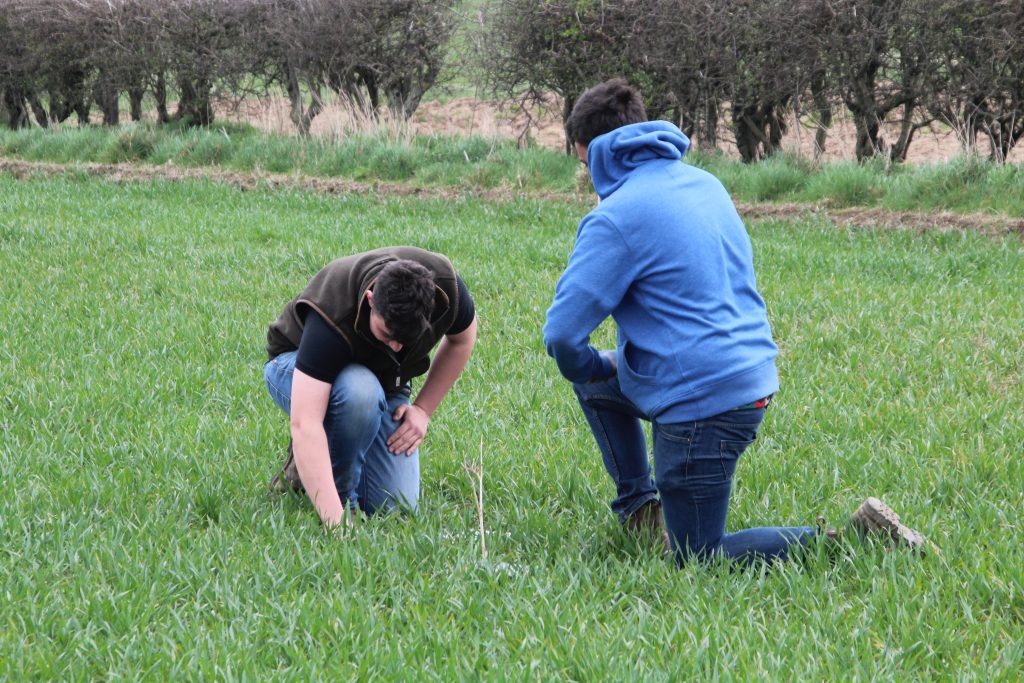
A good crop walk is more than just “having a look.”
During a Crop Walk:
Check:
- Crop growth stage
- Plant population
- Weed pressure
- Disease symptoms
- Pest damage
- Nutrient deficiencies
- Soil condition
- Drainage issues
Common Signs to Spot
| Symptom | Possible Cause |
|---|---|
| Yellow leaves | Nitrogen deficiency |
| Purple leaves | Phosphate deficiency or stress |
| Patchy crop | Drainage or establishment issue |
| White leaf tips | Frost damage |
| Brown spots | Disease infection |
🧠 Apprentice Challenge
Next time you are in a cereal field, ask yourself:
- What GS is this crop at?
- Is the crop even?
- What is limiting yield right now?
- Is disease present?
- What might the next farm operation be?
That is how experienced crop walkers think.
📌 Key Terms
| Term | Meaning |
|---|---|
| Tillering | Production of side shoots |
| Node | Joint in the stem |
| Flag leaf | Final leaf before ear emergence |
| Lodging | Crop falling over |
| Ear emergence | Ear pushing from stem |
| Grain filling | Development of grain size and weight |
🌟 Final Thought
The best crop walkers are observant.
They notice small changes early.
A yellow patch.
A disease lesion.
A thin area.
A stressed headland.
Often the difference between an average crop and an excellent crop starts with someone spotting a problem early enough to act.
And yes… sometimes that person is the apprentice.
Useful Resource
The AHDB cereal growth guide is a useful reference for identifying cereal growth stages in UK crops:
https://ahdb.org.uk/knowledge-library/the-growth-stages-of-cereals.
Below is presentation which gives more details about “Crop Monitoring & Growth Stages”