
🌾 Harvest – Get It Sorted Before the Rush Hits
🌱 Crop Readiness
- ✔️ Ready to cut? (don’t guess… check)
- 📏 Meets spec? (moisture, quality, yield)
- 🔍 Measured properly?
⏱️ Withdrawal Periods
- 📅 Spray intervals cleared?
- ⚠️ No shortcuts — compliance matters
🚜 Machinery & Equipment
- 🔧 Serviced and ready?
- ⚙️ Breakdowns now = chaos later
🦺 PPE & Safety Gear
- 😷 Dust masks ready?
- 🟡 High viz on hand?
- 🧤 Gloves, boots — no excuses
🌬️ Drying Facilities
- 🔥 Dryers tested?
- 💨 Fans and airflow checked?
🏠 Storage
- 🧹 Clean and ready?
- 📦 Enough space?
- 🐀 Pest under control?
👨🌾 Training
- 🎓 Staff know their role?
- 🚜 Operators competent?
⚠️ Health, Safety & Hygiene
- 🧼 Clean working practices?
- 🚧 Risks controlled?
📋 Records & Paperwork
- 📝 Spray records up to date?
- 📊 Yield logs ready?
- ✔️ Compliance sorted before inspection
🌾 Harvesting Crops : Guide for Crop Husbandry
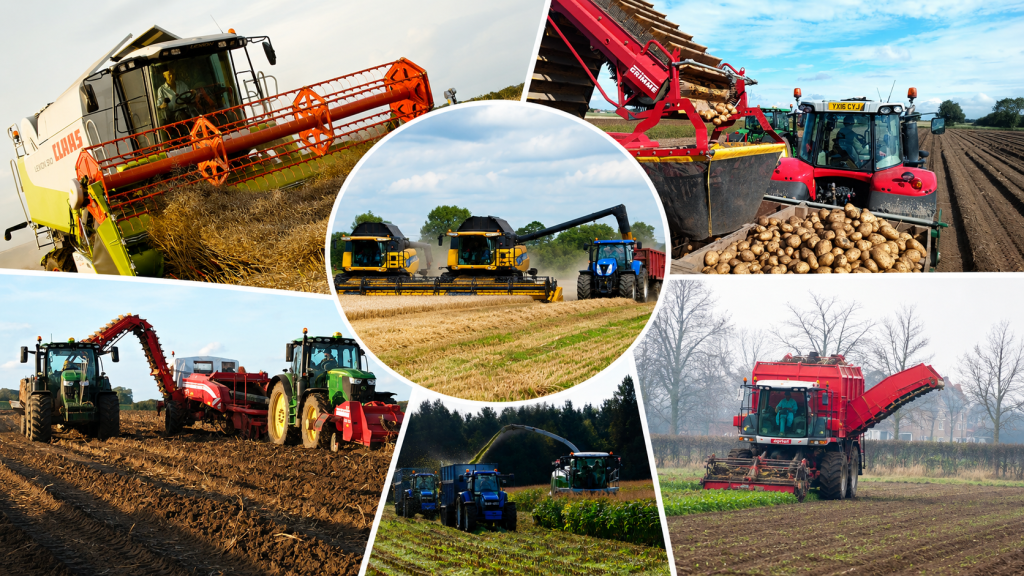
“Machines don’t forgive — stay alert, stay safe.”
Harvest is the culmination of months of careful planning and management.
Timing is critical.
Harvesting too early may reduce yield and increase drying costs, while harvesting too late increases the risk of weather damage, lodging and crop losses.
Successful harvesting depends on:
- Crop maturity
- Moisture content
- Weather conditions
- Correct machinery settings
- Skilled operators
Well-maintained combines and harvesting equipment help minimise grain losses and protect crop quality.
🌾 The Secret Behind Today’s Giant Combines
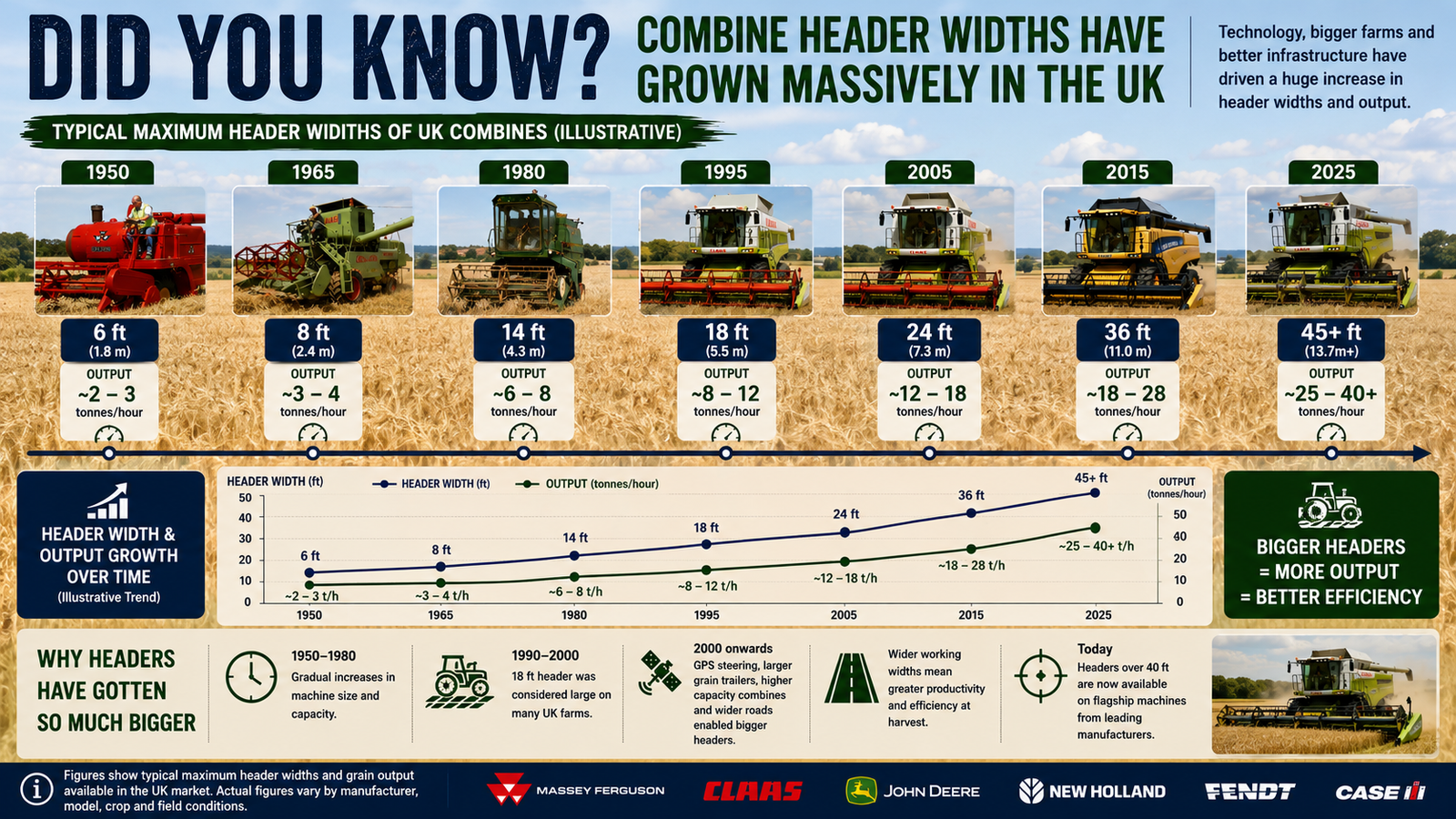
🔍 Click the image to enlarge.
Click anywhere outside the image or press Esc to close.
Why are modern headers so much wider?
Today’s combines have bigger engines, more efficient threshing systems and larger grain tanks, allowing them to process far more crop every second. GPS guidance and automatic header control keep wide headers working accurately, while larger fields, better transport and higher-capacity trailers keep the machine moving. The result is faster harvesting, lower labour costs and much higher output per hour.
⚙️ More Power → Bigger engines (600–800+ hp)
🌾 Higher Crop Throughput → Improved threshing & separation
🛰️ GPS Guidance → Accurate auto-steering and overlap control
📦 Larger Grain Tanks → Fewer unloading stops
🚜 Better Logistics → Larger trailers and faster unloading
📈 Greater Output → More hectares and tonnes harvested every hour
Storage
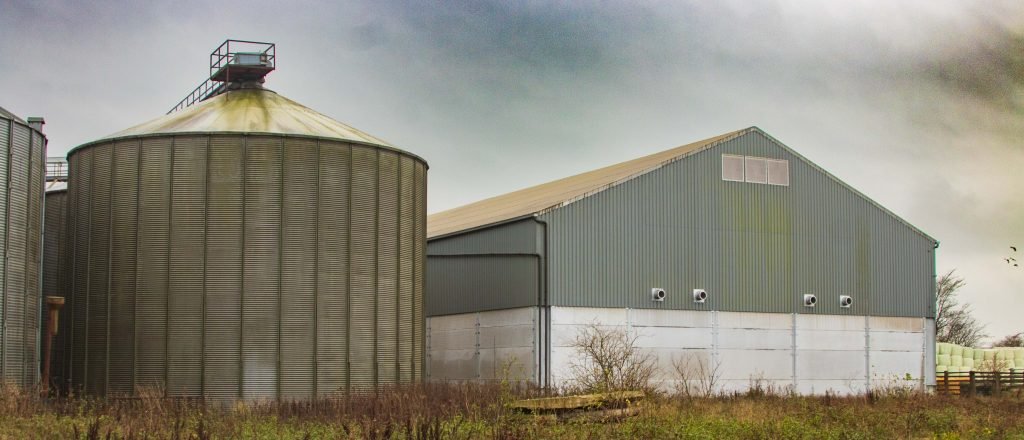
The work does not end once the crop leaves the field.
Correct storage protects crop quality until it is sold or used.
Stored crops may require:
- Drying
- Cooling
- Ventilation
- Regular monitoring
- Pest control
Poor storage can result in spoilage, mould growth, insect infestation and reduced market value.