
🐄 Quick Livestock Facts
| Sector | Typical Production |
|---|---|
| 🥛 Dairy | Milk |
| 🥩 Beef | Meat |
| 🐑 Sheep | Lamb & Wool |
| 🐖 Pigs | Pork |
❤️ Animal Health
| Focus | Examples |
|---|---|
| Vaccination | Disease prevention |
| Biosecurity | Reduce disease spread |
| Parasite Control | Worms, lice, fluke |
| Health Plans | Vet supported |
🍽️ Nutrition
| Feed Types | Typical Livestock |
|---|---|
| 🌱 Grazing | 🐄🐂🐑 |
| 🌾 Silage | 🐄🐂🐑 |
| 🌿 Hay | 🐄🐂🐑 |
| 🌽 Cereals | 🐂🐖 |
| 🥣 Concentrates | 🐄🐂🐑🐖 |
| 🧂 Minerals | 🐄🐂🐑🐖 |
🏠 Housing Essentials
| ✔️ Requirements |
|---|
| Fresh ventilation |
| Clean water |
| Dry bedding |
| Comfortable lying area |
| Adequate space |
| Safe handling facilities |
🧬 Breeding Technology
| Technology | Typical Uses |
|---|---|
| 💉 Artificial Insemination (AI) | Improve genetics and fertility in 🐄🐂🐑🐖 |
| 🏷️ Electronic Identification (EID) | Animal ID, traceability and records 🐄🐑🐖 |
| 🧬 Estimated Breeding Values (EBVs) | Select superior breeding stock 🐂🐑🐖 |
| ❤️ Heat Detection | Identify animals ready for breeding 🐄🐂🐖 |
| 🩻 Pregnancy Scanning | Confirm pregnancy and manage nutrition 🐄🐑🐖 |
| 📊 Performance Recording | Monitor growth, milk yield and breeding performance 🐄🐂🐑🐖 |
🐾 Welfare Principles
| ✔️ Good Welfare Means |
|---|
| Good nutrition |
| Good housing |
| Good health |
| Low stress |
| Calm handling |
| Freedom to behave naturally |
🚛 Market & Transport
| Before Transport |
|---|
| Correct ID |
| Fit for transport |
| Movement documents |
| Safe loading |
| Minimise stress |
| Full traceability |
💻 Precision Livestock Farming
| Technology |
|---|
| 📡 EID Tags |
| 🤖 Robotic Milking |
| ⚖️ Auto Weighing |
| ❤️ Health Sensors |
| 📱 Farm Software |
| 📊 Performance Data |
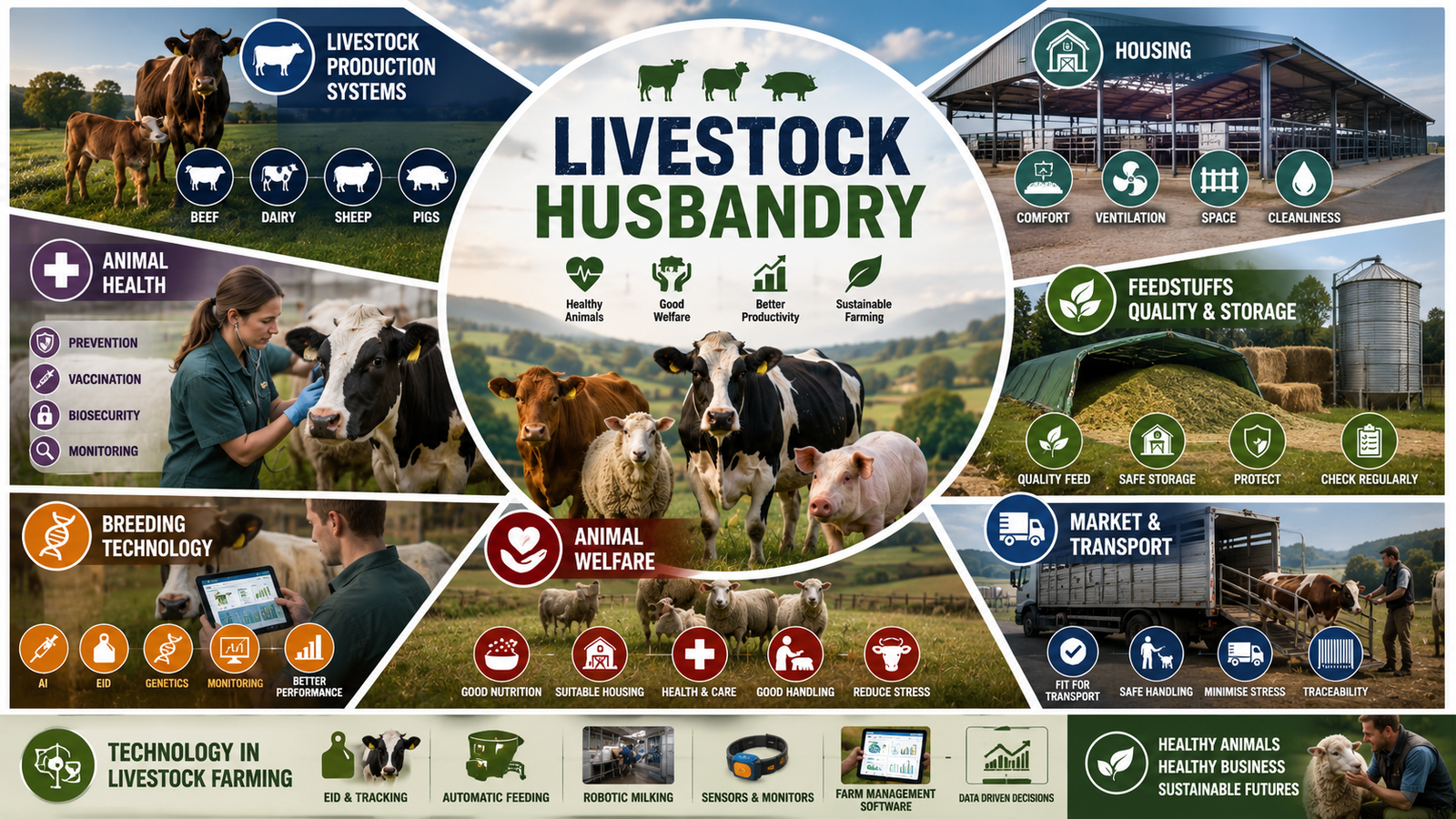
🐄 Livestock Husbandry
🔍 Click image to enlarge
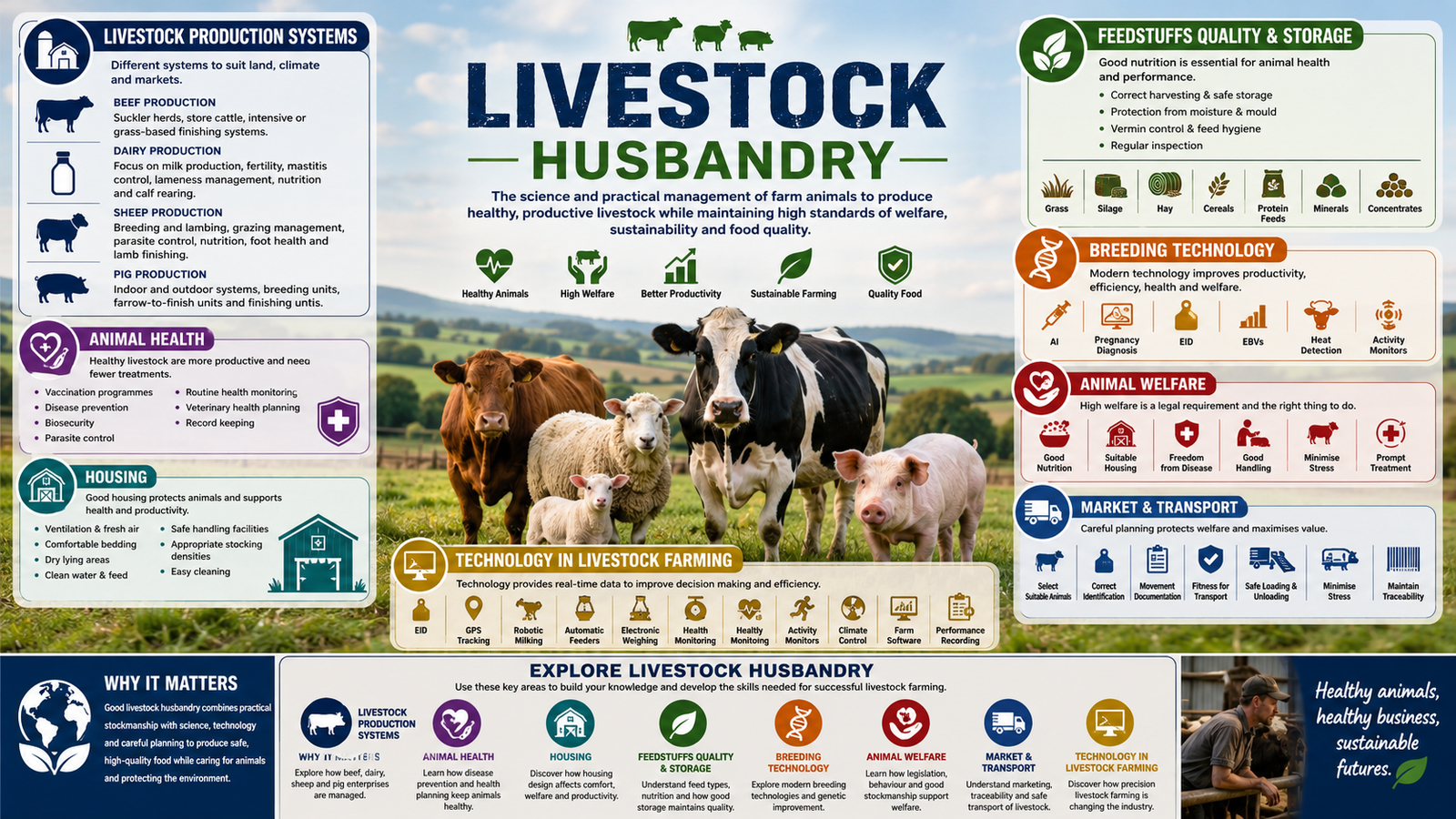
Livestock husbandry is the science and practical management of farm animals to produce healthy, productive livestock while maintaining high standards of welfare, sustainability and food quality. Good stockmanship combines animal care, nutrition, housing, breeding and health management to ensure animals remain healthy throughout their lives and perform to their full potential.
Modern livestock farming relies on a combination of traditional husbandry skills and advanced technology. Electronic identification (EID), precision feeding, automated milking, health monitoring systems, genetic selection and performance recording all help farmers improve efficiency while ensuring excellent standards of animal welfare.
🐂 Livestock Production Systems
Livestock enterprises vary depending on climate, land type, available resources and market demand. Each production system has different management requirements and objectives.
🥩 Beef Production
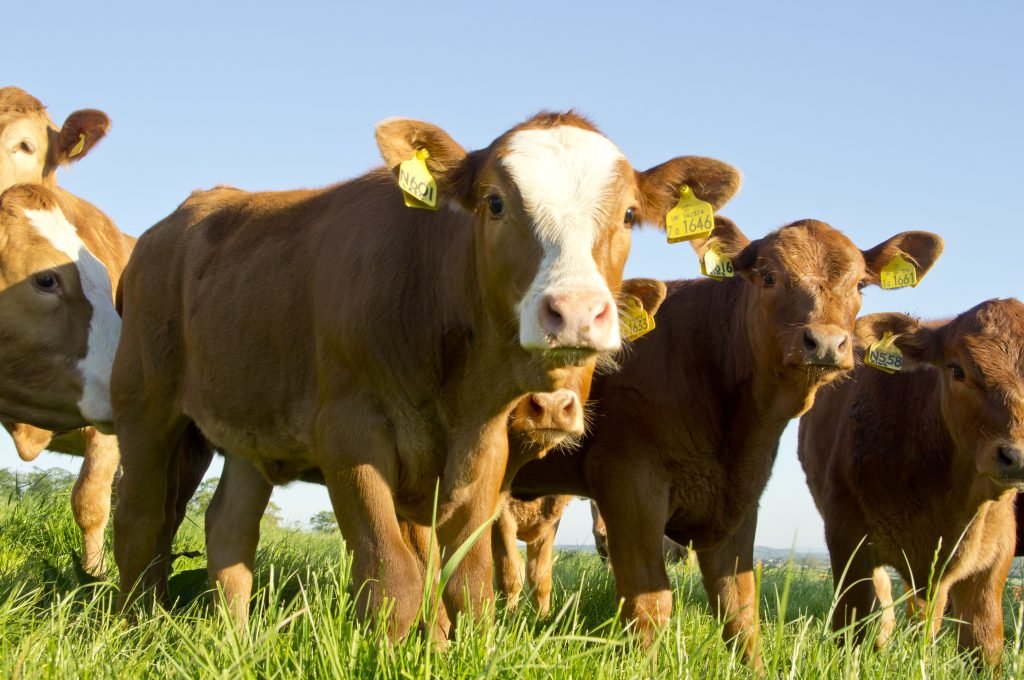
Beef systems may include:
- Suckler herds
- Store cattle enterprises
- Intensive finishing units
- Grass-based finishing systems
Management focuses on growth rates, feed efficiency, animal health and producing high-quality beef economically.
🥛 Dairy Production
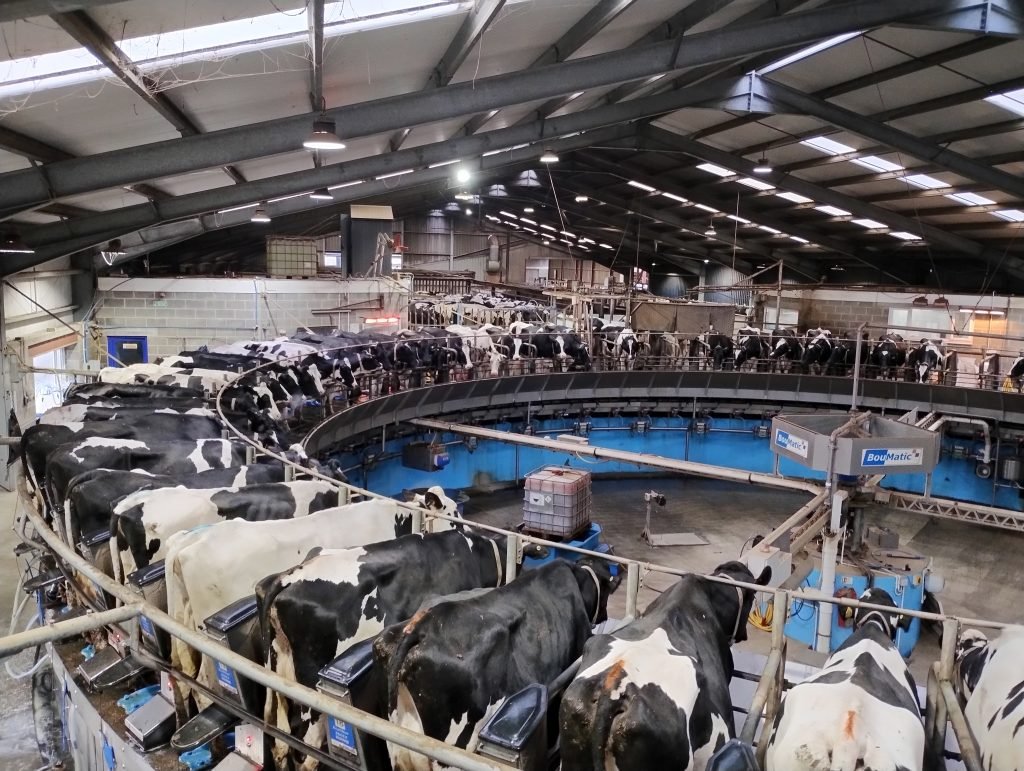
Dairy farming concentrates on producing milk efficiently while maintaining excellent cow health and welfare.
Key areas include:
- Milk production
- Fertility management
- Mastitis prevention
- Lameness control
- Nutrition
- Calf rearing
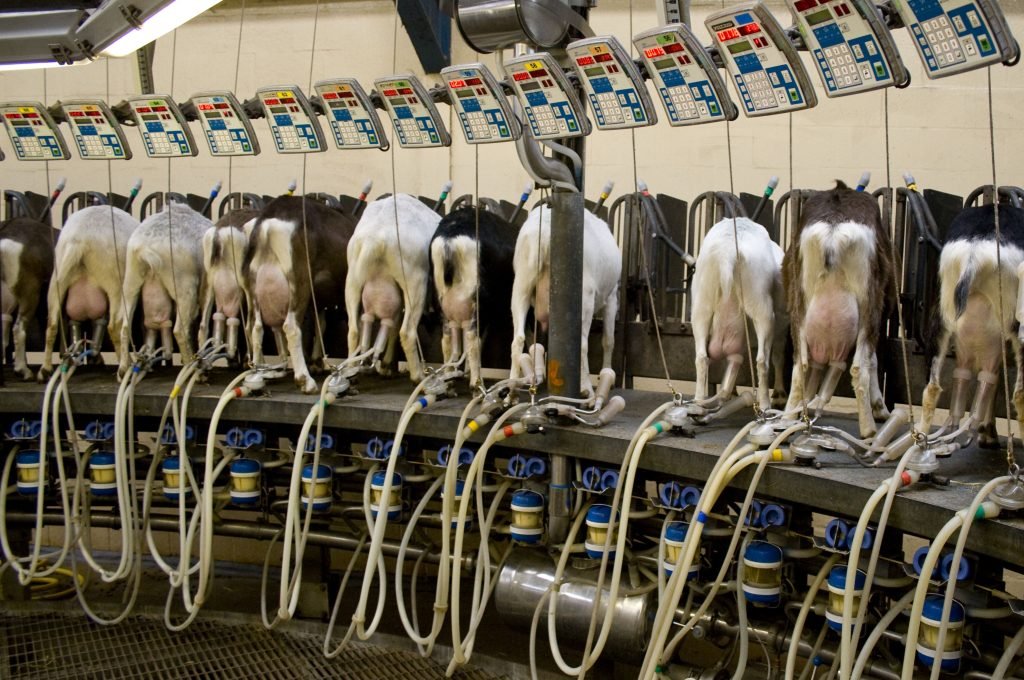
Technology such as robotic milking, activity monitors and milk sensors is increasingly common. Whilst it is commonly cows that are milked dairy farms can also be goats or sheep.
🐑 Sheep Production
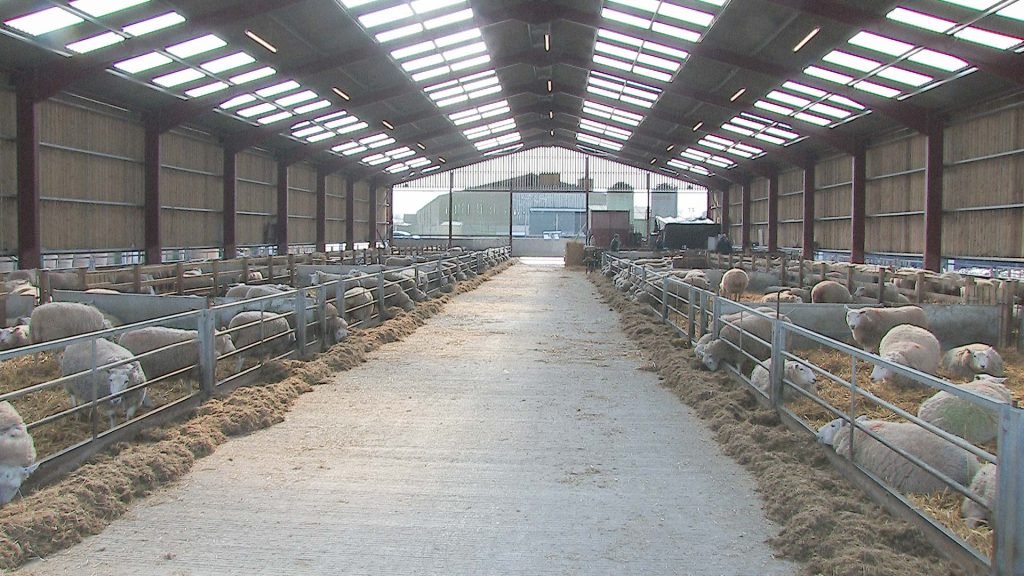
Sheep enterprises range from extensive hill systems to intensive lowland flocks.
Management includes:
- Breeding and lambing
- Grazing management
- Parasite control
- Nutrition
- Foot health
- Lamb finishing
🐖 Pig Production
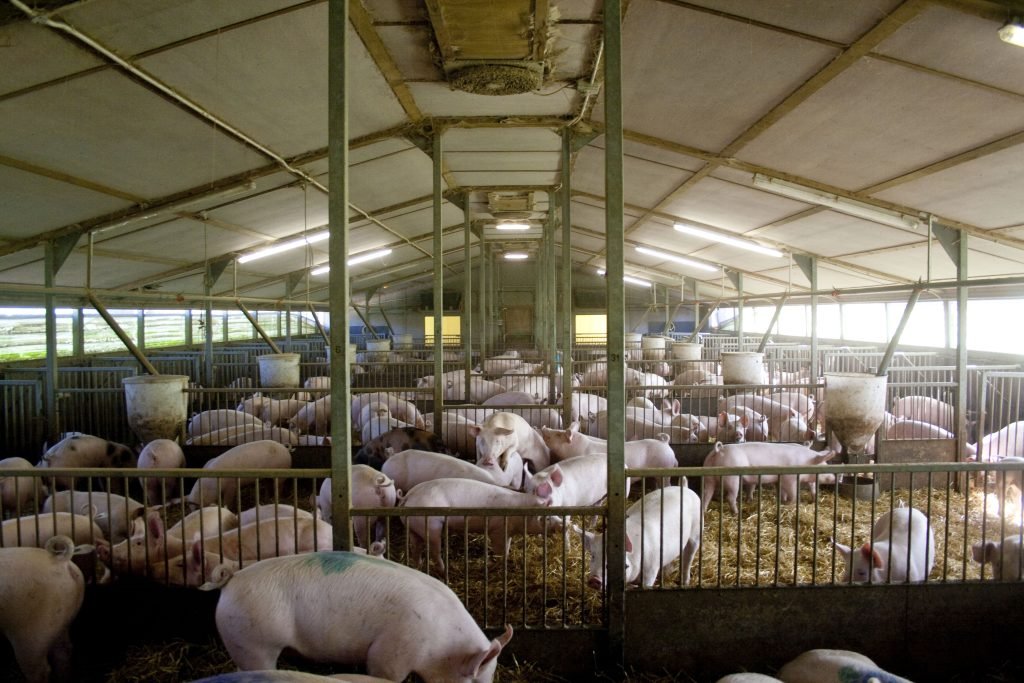
Pig production is highly specialised and may include:
- Indoor intensive systems
- Outdoor breeding systems
- Farrow-to-finish units
- Breeding units
- Finishing units
Efficient reproduction, nutrition, biosecurity and environmental control are essential.
❤️ Animal Health
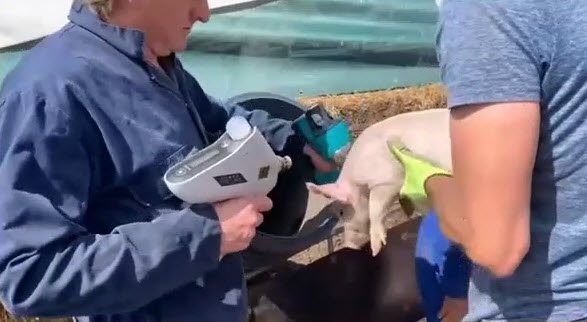
Healthy livestock are more productive, require fewer treatments and achieve better performance.
Effective health management includes:
- Vaccination programmes
- Disease prevention
- Biosecurity
- Parasite control
- Routine health monitoring
- Veterinary health planning
- Accurate record keeping
Regular observation helps detect problems early before they affect productivity or welfare.
🏠 Housing
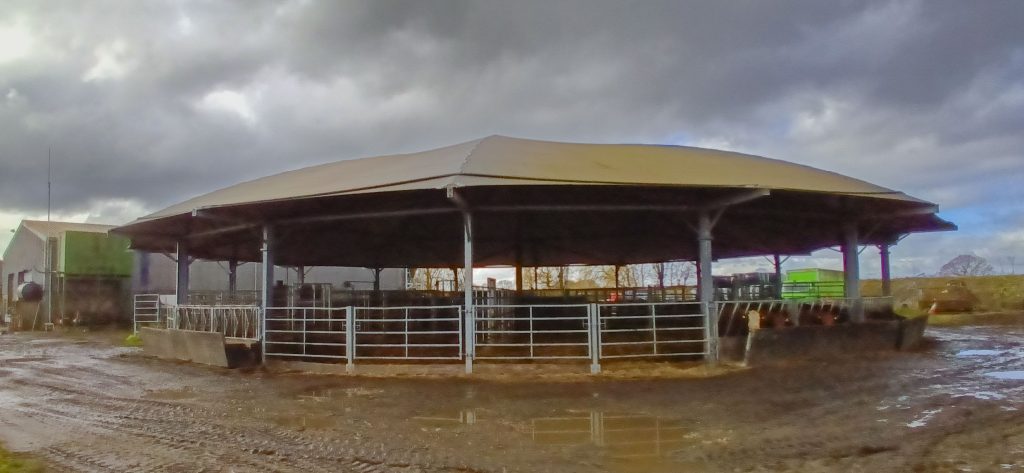
Good housing protects livestock from adverse weather while providing a safe, comfortable environment.
Well-designed housing should provide:
- Fresh air and effective ventilation
- Comfortable bedding
- Dry resting areas
- Clean water
- Adequate feeding space
- Safe handling facilities
- Appropriate stocking densities
Housing design plays a major role in health, welfare and productivity.
🌾 Feedstuffs Quality & Storage
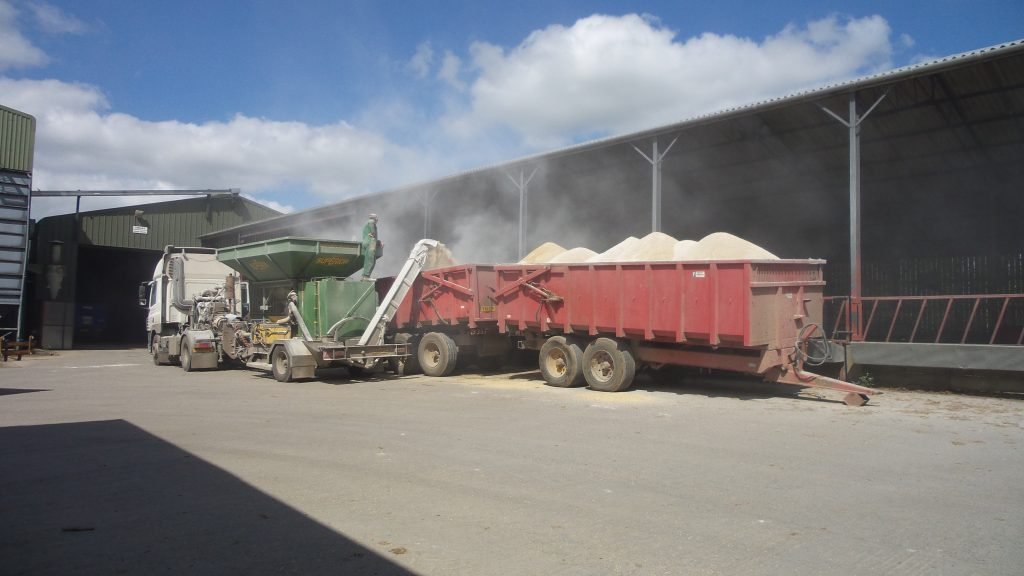
Nutrition is one of the most important factors affecting livestock performance.
Feed quality must be maintained through:
- Correct harvesting
- Safe storage
- Protection from moisture
- Preventing mould growth
- Vermin control
- Good feed hygiene
- Regular inspections
Common livestock feeds include:
- Grass
- Silage
- Hay
- Straw
- Cereals
- Protein feeds
- Minerals
- Concentrates
Good feed management reduces waste and supports healthy, productive animals.
🧬 Breeding Technology
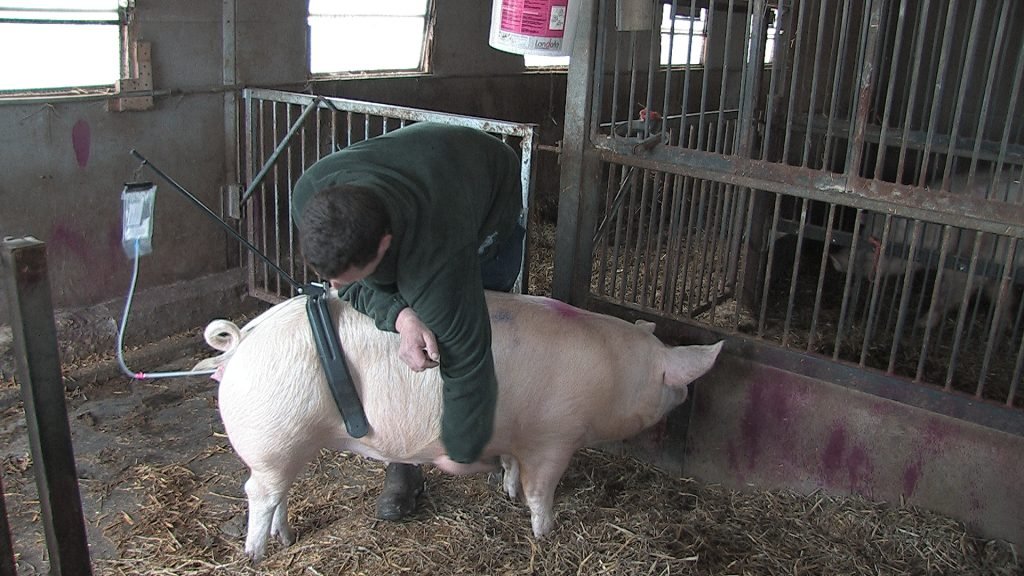
Modern breeding programmes improve productivity, efficiency, health and welfare.
Technologies include:
- Artificial Insemination (AI)
- Pregnancy diagnosis
- Electronic Identification (EID)
- Performance recording
- Estimated Breeding Values (EBVs)
- Heat detection systems
- Activity monitors
- Genetic selection
These technologies help farmers make informed breeding decisions and continually improve herd and flock performance.
🐾 Animal Welfare
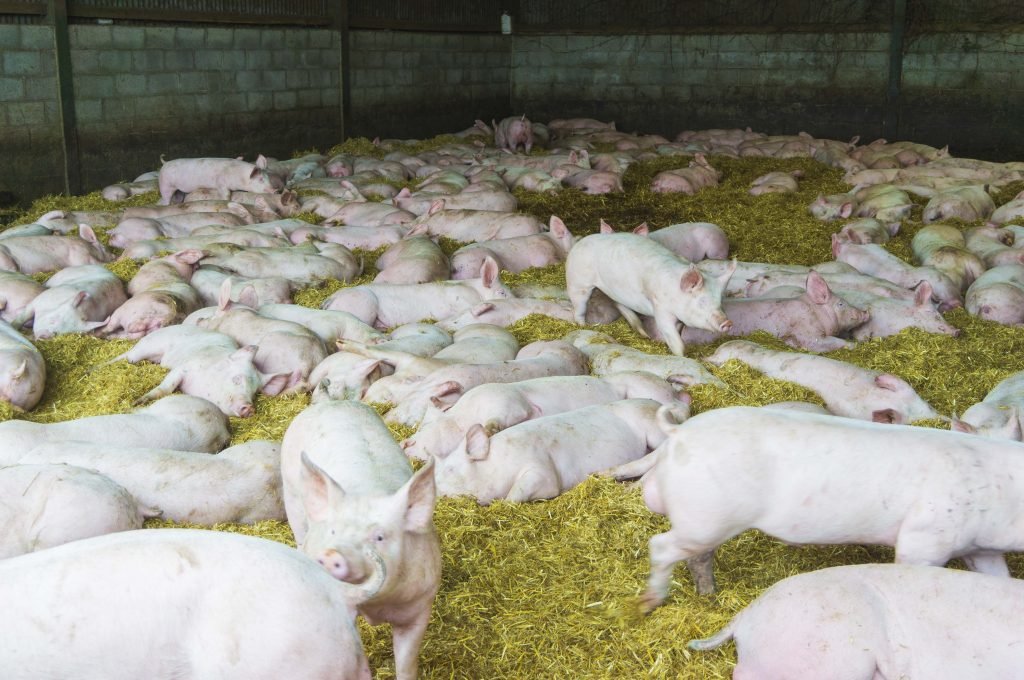
High welfare standards are fundamental to responsible livestock farming.
Good welfare includes:
- Balanced nutrition
- Suitable housing
- Freedom from disease
- Calm, confident handling
- Minimising stress
- Prompt treatment of illness
- Meeting animals’ behavioural needs
Understanding animal behaviour allows stockpeople to recognise welfare concerns quickly and respond appropriately.
🚛 Market & Transport
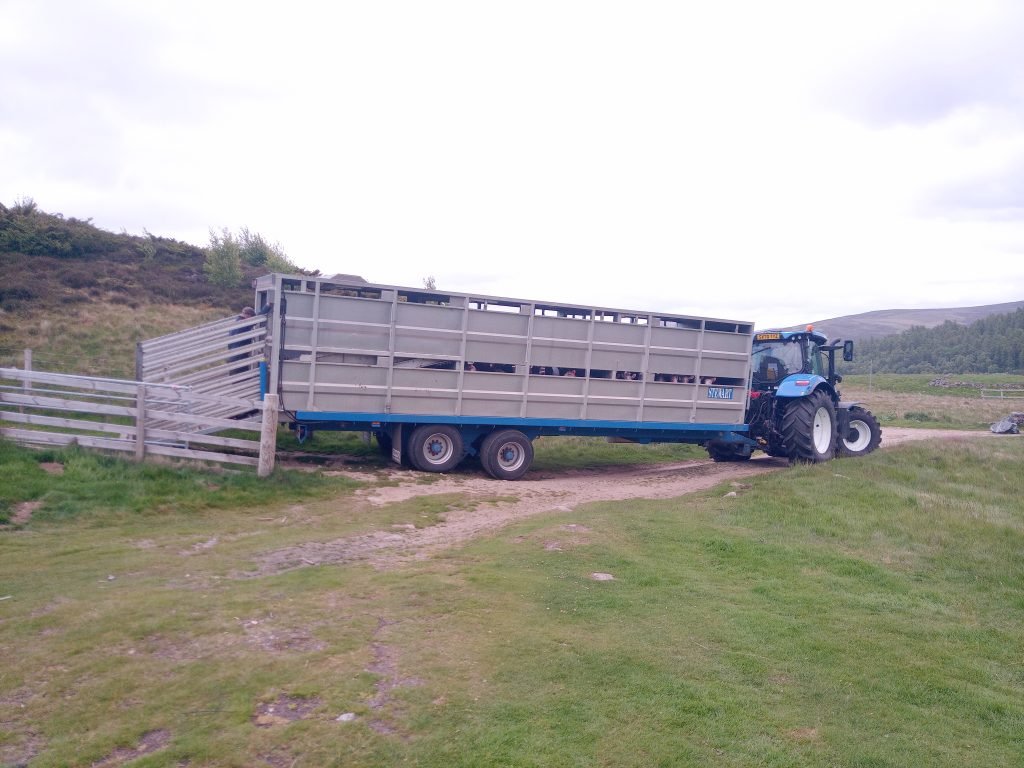
Preparing livestock for sale requires careful planning to maintain welfare and maximise value.
Good practice includes:
- Selecting suitable animals
- Correct identification
- Completing movement documentation
- Assessing fitness for transport
- Safe loading and unloading
- Minimising transport stress
- Maintaining full traceability
Good transport practices help protect both animal welfare and product quality.
💻 Technology in Livestock Farming
Technology is transforming modern livestock production.
Examples include:
- 📡 Electronic Identification (EID)
- 📍 GPS livestock tracking
- 🤖 Robotic milking systems
- 🥣 Automatic feeding systems
- ⚖️ Electronic weighing
- ❤️ Health monitoring collars
- 🚶 Activity monitors
- 🌡️ Environmental sensors
- 📱 Farm management software
- 📊 Performance recording systems
These technologies improve efficiency, support better welfare and provide farmers with valuable real-time management information.
🌍 Why Livestock Husbandry Matters
Successful livestock husbandry combines practical stockmanship with science, technology and careful planning. By managing health, nutrition, housing, breeding, welfare and production systems effectively, farmers can produce safe, high-quality food while caring for their animals and protecting the environment.
🔍 Explore Livestock Husbandry
Use the sections below to build your knowledge of modern livestock production. Each topic explores an important aspect of managing healthy, productive farm animals and developing the practical skills needed by today’s livestock farmers.
🐄 Livestock Production Systems – Explore how beef, dairy, sheep and pig enterprises are managed.
❤️ Animal Health – Learn how disease prevention, vaccination and health planning keep livestock healthy.
🏠 Housing – Discover how housing design affects comfort, welfare and productivity.
🌾 Feedstuffs Quality & Storage – Understand feed types, nutrition and how good storage maintains feed quality.
🧬 Breeding Technology – Explore AI, EID, genetics and modern breeding technologies.
🐾 Animal Welfare – Learn how legislation, behaviour and good stockmanship support animal welfare.
🚛 Market & Transport – Understand livestock marketing, traceability and transporting animals safely.
💻 Technology in Livestock Farming – Discover how precision livestock farming is changing modern agriculture.
Whether you’re managing dairy cows, beef cattle, sheep or pigs, good livestock husbandry combines practical skills, scientific knowledge and modern technology to produce healthy animals, high-quality food and sustainable farming businesses.